
Starting a trading card collection

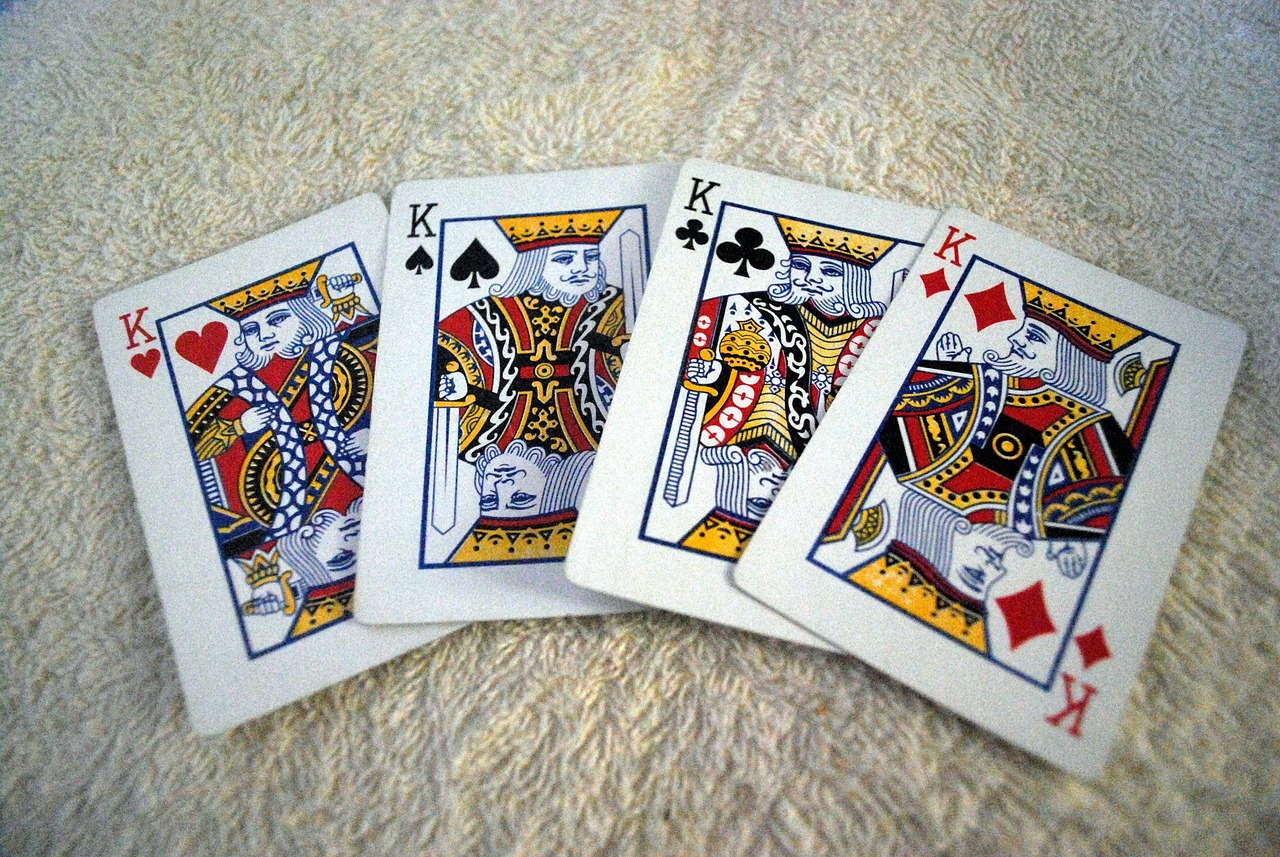
Starting a trading card collection
Trading cards are the one part of a game shop where expectations and reality diverge most often, and almost all of it comes down to one fact: sealed product is sealed. Nobody at the counter knows what is in a pack, nobody can weigh it usefully, and any shop that tells you otherwise is selling something other than cards.
Once that is clear, the rest is straightforward, and it is a genuinely good hobby to start.
What the formats actually are
A booster pack is a small sealed pack of cards, typically ten to twelve. A bundle collects several boosters with a few extras and a box to keep them in. A booster box holds a larger fixed number of packs. Collection boxes pair a small number of packs with a fixed promotional card, which is the one item in the whole category whose contents are known in advance.
Cost per card falls as the format gets bigger, which is the only reliable generalisation available.
Sealed means sealed
Everything sold here arrives in the manufacturer’s seal and leaves in it. We do not open packs, sort them, reseal them or select which ones go in a bundle. That is worth saying plainly because pack searching is a real practice in this hobby and it is the reason sealed provenance matters.
It also means we cannot answer the most common question at the counter, which is what is in a given pack.
Rarity is a distribution, not a promise
Sets are printed with rarity tiers, and packs are assembled to a distribution across a print run. That is a statement about a very large number of packs, not about yours. A pack is not “due” a rare card, and a run of ordinary pulls does not change what comes next.
Any listing that implies otherwise is describing something the manufacturer does not claim.
Buying to play versus buying to collect
These pull in different directions and it is worth knowing which you are doing. A player wants specific cards and is usually better served by buying those cards directly or by buying a preconstructed deck. A collector wants the experience of opening and the completeness of a set, and boosters are the point rather than the means.
Most people do both, and the mistake is buying boosters hoping for a specific card, which is the most expensive way to get one.
Starting with a preconstructed deck
If the goal is to play, a ready-built deck is the sensible first purchase. It is legal, it is balanced enough to learn on, and it costs less than the boosters needed to build the same thing. Almost everybody who starts with boosters and wants to play ends up buying one anyway.
The same applies to buying for a child who wants to play with friends rather than collect.
Protecting cards from day one
Sleeves and a binder or a deck box are inexpensive and prevent most of the damage cards suffer. Corner wear from a pocket, edge wear from shuffling and warping from humidity all happen in weeks, not years.
Sleeve as you sort rather than later — cards that are already worn cannot be un-worn.
Storage matters more than people expect
Cards are card. They absorb moisture, they warp in a warm room and they fade in direct sunlight. A closed binder or box in a room you would sit in is all that is required, and it is exactly what most collections do not get.
Avoid attics, basements, cars and windowsills — the four places cards usually end up.
What a shop can and cannot tell you
We can tell you what set a product belongs to, how many packs are in it, what the manufacturer states is included, and what the price is. We cannot tell you what a card is worth, what will hold value, or what is inside a sealed pack.
The first list is on every product page. The second is not something a shop can substantiate, so it is not on our pages at all.
Buying for somebody else
Trading cards are a common gift and the risk is buying the wrong set — a current set is playable and collectable, an older one may be neither. If you are unsure, a bundle from the newest set is the safest choice.
For a child who mainly wants to open something, a collection box gives a known item plus packs, which avoids the disappointment of an entirely ordinary pull.
Where to look
Sealed product is on the trading card games shelf. If the goal is playing rather than collecting, family card games and party and social games are the shelves that get played most.
The shop is open until eleven on Saturdays and the number is on the contact page; delivery and returns are on the FAQ.
Setting a budget before the first pack
Sealed product is designed to be opened repeatedly, and the moment where somebody decides to buy one more pack is the whole commercial logic of the category. That is not a criticism — it is how it works, and it is enjoyable — but it means a decision made in advance is worth far more than a decision made at the counter. A fixed monthly figure, or a fixed number of packs per visit, turns the hobby into something predictable.
This matters most when buying for a child. A bundle bought as a gift is a complete experience with a clear end; an open-ended arrangement where packs can be requested is a negotiation every week. Parents who set the shape early almost always report a better time with it, and it costs nothing to decide.